Household Products: Read the Object, Not Just the Label
Walk down any home store aisle today and you will find bamboo toothbrushes, dish drying racks, storage crates, and travel mugs. Here is how to inspect four common categories to see if they genuinely fulfill their promises.
Product Anatomy: Deconstructing Common Objects
When you hold an everyday product, look past the craft-paper packaging and evaluate its structural joints, weight, finish, and wear surfaces.
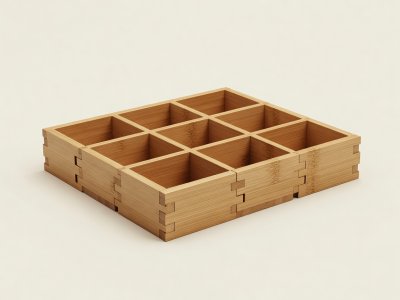
1. Modular Storage Trays
Look for: Genuine finger-jointed corners and solid ply bases instead of pressed cardboard bottoms wrapped in faux-wood paper.
Verdict: Superb. Kept dry in drawers or desks, these items can survive thirty years of daily use without degrading.
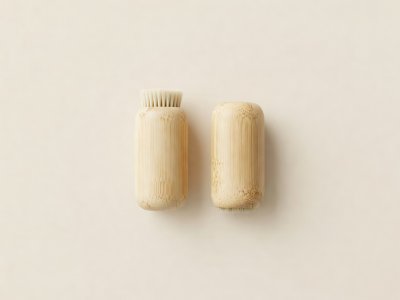
2. Brushes & Toothbrushes
Look for: Castor-oil nylon bristles vs. standard petroleum nylon; check if the bristle staples are brass or stainless.
Verdict: Mixed. The handle is compostable, but bristles must be plucked out with pliers before composting.
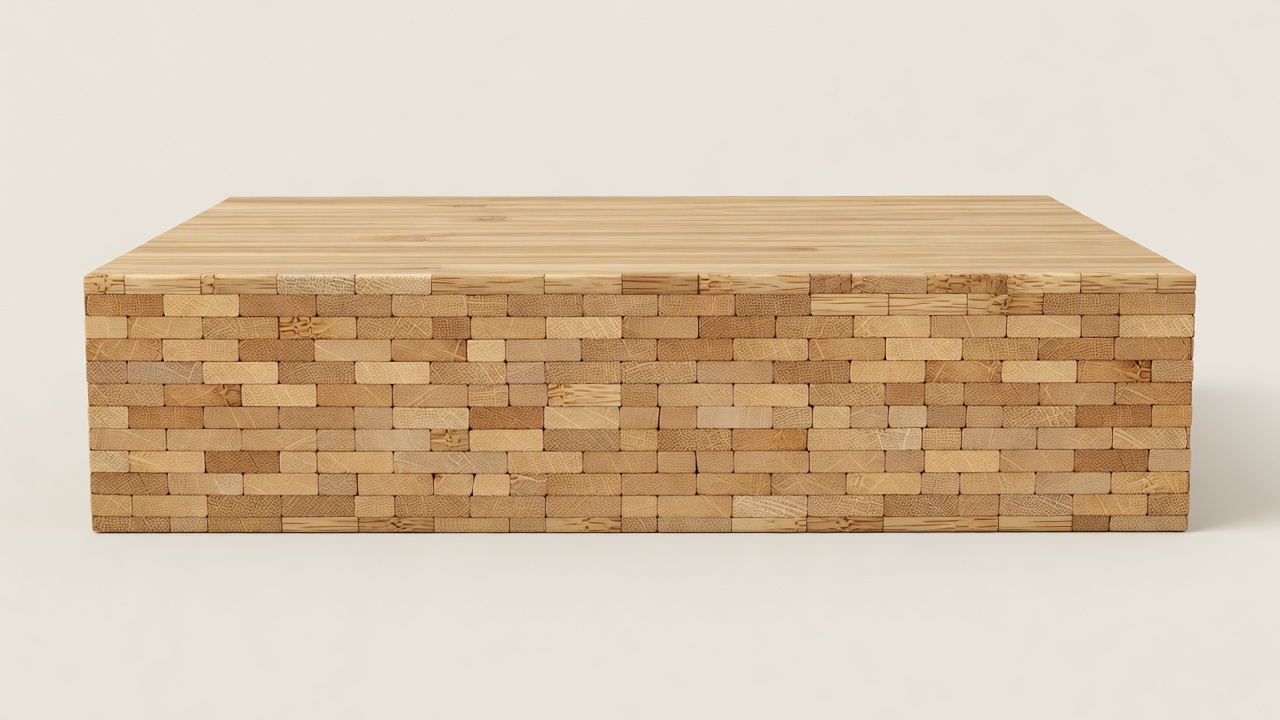
3. End-Grain vs. Edge-Grain Boards
Look for: Three-ply cross-lamination. Edge-grain boards dull chef knife edges faster due to hard silica cells; end-grain cushions blades better.
Verdict: Good, provided they are never submerged and regularly sealed with pure food-grade mineral oil.
The Melamine-Bamboo Dishware Hazard
Perhaps the most deceptive trend of the past decade was the surge in colourful children's plates, reusable coffee mugs, and picnic bowls marketed as "eco-friendly bamboo fibre."
Independent consumer watchdogs across Europe (including the German Federal Institute for Risk Assessment — BfR) found that these products were not solid bamboo, nor were they biodegradable bioplastics. They were thermoset melamine-formaldehyde plastics filled with up to 40% pulverized bamboo powder.
Why Composite Foodware Fails Safety Testing
- Hot Liquid Leaching: Contact with coffee, tea, or soup above 70°C triggers chemical migration of toxic formaldehyde into food.
- Microwave Degradation: Microwave radiation excites residual moisture inside the bamboo dust, causing the plastic binder to blister and fracture.
- Zero Recyclability: Thermoset resins cannot be melted down and re-moulded; they are destined purely for incinerators.
The European Commission subsequently banned the marketing of melamine-bamboo composite plastic food contact materials across member states. When seeking tableware, choose solid unground wood, porcelain, tempered glass, or stainless steel.
Textiles: Bamboo Viscose vs. Organic Linen
Bed sheets, socks, and bath towels boasting "antibacterial bamboo fibres" have become staples of sustainable living boutiques. The tactile softness is undeniable—it feels identical to modal or silk.
However, consumer protection commissions (including the US FTC and the UK ASA) have repeatedly ruled against manufacturers for deceptive labeling. Mechanically processed bamboo linen (crushed culms treated with natural enzymes) exists, but it is coarse, labour-intensive, and rarely found on mass shelves.
More than 98% of bamboo textiles are standard rayon (viscose). The rapid growth of the culm offsets some forest destruction, but once dissolved into chemical pulp slurry, it loses its natural antimicrobial properties and behaves exactly like tree-pulp rayon. If you require truly low-impact textiles, certified European hemp or unbleached organic linen grown under natural rainfall remains far superior.